
Why More Leads Won’t Fix Your Small Business Growth


What Is a Lead Generation Problem and Why Do Small Businesses Struggle With It
A lead generation problem occurs when businesses can’t attract enough potential customers to sustain growth. However, most small businesses misdiagnose their actual challenge; they think they need more leads when they really need better systems to handle existing opportunities.
True lead generation problems are rare. Most small businesses already receive enough inquiries, referrals, and website visitors to grow significantly. The real struggle lies in three areas:
Poor lead capture systems that miss opportunities when they arrive. Your website visitors leave without giving you their contact information because you don’t have proper lead magnets or clear calls-to-action.
Weak follow-up processes that let qualified prospects slip away. You get the lead but don’t respond quickly enough, don’t follow up consistently, or send generic messages that don’t address their specific needs.
Broken conversion systems that fail to turn interest into sales. Your messaging doesn’t clearly communicate value, your offers are confusing, or your sales process creates friction instead of building trust.
We see this pattern repeatedly with our clients. They come to us thinking they need more traffic, but when we audit their existing processes, we find they’re losing 70-80% of current opportunities due to system failures, not lead shortage.
The confusion happens because it’s easier to blame external factors (not enough leads) than internal ones (broken systems). But fixing your conversion and follow-up processes delivers faster, more predictable results than chasing new traffic sources.
How Many Leads Does a Small Business Actually Need to Grow
Most small businesses need far fewer leads than they think; typically 20-50 qualified leads per month can generate significant growth when properly converted. The keywords are “qualified” and “properly converted.”
Here’s the math that changes everything. If you currently get 100 leads monthly and convert 3% (industry average for businesses without proper systems), you close 3 new customers. But if you improve your conversion rate to 12% with better follow-up and messaging, those same 100 leads generate 12 customers, a 300% increase without spending a dollar on new lead generation.
Small service businesses (consultants, agencies, contractors) often need only 10-20 qualified leads monthly. At a 15% conversion rate, that’s 2-3 new clients, which can represent $10,000-$50,000 in monthly revenue depending on your pricing.
Local businesses (restaurants, retail, professional services) typically need 30-100 leads monthly, but their conversion rates should be higher (20-25%) due to local intent and immediate need.
B2B companies usually work with 50-200 leads monthly, converting 8-15% when they have proper nurturing systems in place.
The problem isn’t volume; it’s that most businesses operate at 2-5% conversion rates when they should be hitting 10-20%. We build systems that get our clients to those higher conversion rates automatically, which means they need fewer leads to hit their growth targets.
This is why we focus on building complete done-for-you systems first. Once your conversion engine works properly, you can always add more traffic later. But adding traffic to a broken system just wastes money.
What’s the Difference Between Having No Leads vs Having Bad Leads
Having no leads means your marketing isn’t reaching potential customers, a true lead generation problem. Having bad leads means you’re attracting the wrong people or failing to qualify properly, a targeting and messaging problem that’s much easier to fix.
No leads scenarios are actually uncommon. Most businesses get inquiries, referrals, website visitors, and social media engagement. The issue is these opportunities aren’t being captured or followed up properly.
Bad leads scenarios happen when your messaging attracts price shoppers, unqualified prospects, or people outside your ideal customer profile. This creates the illusion of a lead generation problem when it’s really a lead quality problem.
Signs you have bad leads, not no leads:
- People inquire but seem surprised by your pricing
- Prospects ask for services you don’t offer
- Leads want immediate results or unrealistic timelines
- Most inquiries come from outside your target market
- Conversion rates stay low despite high inquiry volume
The solution isn’t generating more leads; it’s improving your messaging to attract better prospects. Our AI-powered lead capture systems include qualification questions that filter out poor fits before they enter your pipeline.
Quality over quantity always wins. We’d rather see a client get 20 highly qualified leads monthly that convert at 25% than 200 poor leads that convert at 2%. The revenue is similar, but the first scenario requires far less time and creates better customer relationships.
When we build systems for clients, we focus heavily on lead qualification and messaging that attracts ideal customers. This prevents the bad lead problem while ensuring good leads get proper follow-up.
Why Do Small Businesses Think They Have a Lead Generation Problem When They Don’t
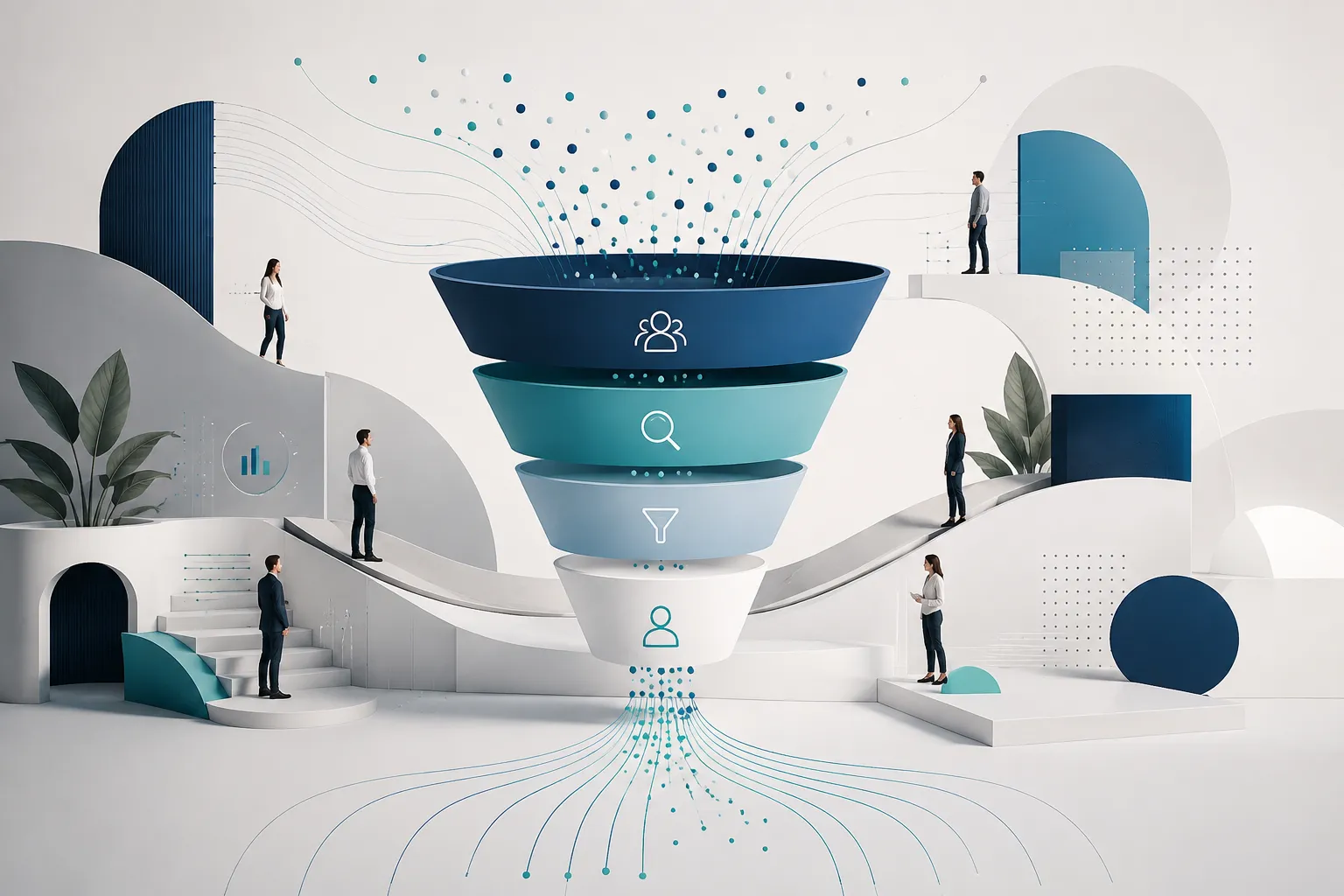
Small businesses blame lead generation because it’s easier than admitting their internal systems are broken. It’s psychologically more comfortable to say “we need more customers” than “we’re losing the customers who already want to buy from us.”
External blame feels safer than internal accountability. Saying you need more marketing budget or better advertising shifts responsibility away from operations you control. But acknowledging that your follow-up is slow or your messaging is unclear requires changing how you work.
Visible problems get attention while invisible ones get ignored. You notice when website traffic drops or when fewer people call. But you don’t see the leads who gave up waiting for your response or the prospects who couldn’t understand your value proposition.
Success stories create false patterns. When a client comes from a referral or walks in ready to buy, it feels like “good marketing.” When leads from your website don’t convert, it seems like you need “better leads” rather than better follow-up.
Tool overwhelm disguises system problems. Business owners try multiple marketing platforms, social media strategies, and advertising campaigns. When results disappoint, they assume they need different tools rather than recognizing that no tool works without proper follow-up systems.
We see this constantly. A client will say “our Facebook ads aren’t working” when the real issue is that leads from Facebook ads wait 24-48 hours for a response instead of getting immediate follow-up. The ad platform isn’t the problem; the response system is.
The solution is honest assessment. Before spending money on lead generation, audit your current process. How quickly do you respond to inquiries? What happens to leads who don’t buy immediately? Do you have consistent follow-up that builds trust over time?
Our complete done-for-you system eliminates this confusion by handling both lead capture and automated follow-up. Clients don’t have to diagnose their own problems; we build systems that work from day one.
Best Ways to Generate Leads for Small Business on a Budget
The most cost-effective lead generation focuses on converting existing traffic and referrals before investing in paid advertising. Small businesses should prioritize systems that capture and convert current opportunities rather than chasing new traffic sources.
Optimize your existing website with proper lead magnets and clear calls-to-action. Most small business websites get visitors but don’t capture contact information. Adding valuable offers (guides, consultations, assessments) can increase lead capture by 300-500%.
Implement referral systems that make it easy for happy customers to send you business. Referrals convert at 25-50% rates compared to 2-5% for cold leads, making them your highest-value lead source.
Use content marketing to attract prospects searching for solutions you provide. Blog posts, videos, and social media content that answer common questions establish expertise and generate qualified leads over time.
Leverage local SEO if you serve a geographic area. Optimizing for “service + city” searches captures high-intent local prospects who are ready to buy.
Build email nurturing sequences that stay in touch with leads who aren’t ready to buy immediately. Most purchases happen 6-18 months after initial contact, but most businesses stop following up after a week.
Focus on conversion optimization before adding new lead sources. If you’re converting 3% of current leads, doubling that to 6% has the same impact as doubling your traffic, but costs much less.
The key is building systems that work automatically. Our free smart website built for you includes all these elements: lead capture, automated follow-up, and conversion optimization. This approach generates consistent results without requiring ongoing marketing spend or technical expertise.
Budget-conscious businesses should perfect their conversion systems first, then add paid advertising to scale what’s already working.
How to Convert More Leads Without Getting More Leads
Converting more existing leads requires three system improvements: faster response times, consistent follow-up sequences, and clearer value communication. Most small businesses can double their conversion rates by fixing these areas without generating a single new lead.
Speed kills competition. Responding to leads within 5 minutes increases conversion rates by 900% compared to waiting 30 minutes. Most small businesses take hours or days to respond, giving competitors massive advantages.
Consistency builds trust. Leads need 5-12 touchpoints before making purchase decisions, but most businesses stop following up after 2-3 attempts. Automated sequences ensure every lead gets proper nurturing regardless of how busy you are.
Clarity drives decisions. Prospects need to understand exactly what you do, who you help, and what results they can expect. Vague messaging creates confusion; specific messaging creates customers.
Practical conversion improvements:
Set up instant lead notifications so you can respond within minutes of inquiry
Create email templates for common questions and objections
Build follow-up sequences that deliver value while staying top-of-mind
Use video messages to create personal connections at scale
Implement lead scoring to prioritize your best opportunities
Track conversion metrics to identify where leads drop off
Address common objections proactively. Most prospects have similar concerns about price, timing, or results. Creating content that addresses these objections before they’re raised removes barriers to purchase.
Make buying easy. Complicated processes, unclear next steps, and difficult scheduling kill conversions. Streamline everything from initial contact to final purchase.
Our automated follow-up systems handle all of this automatically. Leads get immediate responses, consistent nurturing, and clear calls-to-action without requiring manual effort from business owners. This systematic approach typically doubles conversion rates within 30 days.
The goal isn’t perfection; it’s consistency. Systems that work automatically perform better than manual processes that depend on remembering to follow up.

What Percentage of Small Business Leads Actually Convert to Sales
Small businesses without proper systems typically convert 2-5% of leads to sales, while businesses with automated follow-up and clear messaging convert 10-20%. The difference comes down to systematic processes rather than lead quality or market conditions.
Industry benchmarks vary significantly:
- Professional services: 8-15% with good systems
- Home services: 10-25% due to immediate need
- B2B consulting: 5-12% with longer sales cycles
- Retail/e-commerce: 15-30% for qualified traffic
- Technology services: 6-18% depending on complexity
Factors that impact conversion rates:
Response time has the biggest impact. Leads contacted within 5 minutes convert 9x better than those contacted after 30 minutes.
Follow-up consistency matters more than frequency. Regular touchpoints over 6-12 months outperform aggressive short-term campaigns.
Message clarity eliminates confusion that kills sales. Prospects need to understand your value proposition immediately.
Trust signals like testimonials, case studies, and professional presentation increase conversion rates significantly.
Why most small businesses underperform:
Manual processes create inconsistent experiences. Some leads get great follow-up while others get ignored.
No systematic nurturing means leads who aren’t ready immediately get forgotten.
Poor messaging fails to communicate value clearly, leaving prospects confused about next steps.
Lack of tracking means businesses don’t know where their process breaks down.
The solution is systematic improvement. Our all-in-one platform includes conversion tracking, automated follow-up, and proven messaging templates. Clients typically see conversion rates improve from 3-5% to 12-18% within 60 days.
This improvement happens because systems eliminate human error and ensure every lead gets proper treatment. You don’t need better leads; you need better systems to convert the leads you already have.
Common Mistakes Small Businesses Make With Lead Generation
The biggest mistake is focusing on generating more leads before fixing conversion systems. Small businesses spend thousands on advertising while losing 80% of existing opportunities due to poor follow-up and weak messaging.
Mistake 1: Slow response times
Most businesses take 24-48 hours to respond to inquiries. By then, prospects have contacted competitors and often made decisions. Speed matters more than perfect responses.
Mistake 2: No systematic follow-up
Businesses contact leads once or twice, then give up. Since most purchases happen after 5-12 touchpoints, this approach loses most potential sales.
Mistake 3: Generic messaging
Sending the same email to all leads ignores individual needs and circumstances. Personalized follow-up based on lead source and interest level converts much better.
Mistake 4: Focusing on features instead of benefits
Leads don’t care about your process or credentials; they care about results. Messaging should focus on outcomes and value rather than company information.
Mistake 5: Making buying difficult
Complicated processes, unclear pricing, and hard-to-find contact information create friction that kills sales. Simple, clear paths to purchase convert better.
Mistake 6: No lead qualification
Treating all inquiries the same wastes time on poor fits while under-serving qualified prospects. Proper qualification improves both efficiency and conversion rates.
Mistake 7: Ignoring lead nurturing
Most leads aren’t ready to buy immediately but will purchase within 6-18 months. Businesses without nurturing systems lose these future customers to competitors who stay in touch.
Mistake 8: No conversion tracking
Without measuring response rates, follow-up effectiveness, and conversion percentages, businesses can’t improve their processes systematically.
The fix is systematic processes. Our complete done-for-you system eliminates these mistakes by automating proper follow-up, qualification, and nurturing. Business owners get predictable results without having to master complex marketing tactics.
Is Lead Generation or Lead Quality More Important for Small Business Growth
Lead quality matters far more than lead quantity for sustainable small business growth. Converting 20 high-quality leads at 25% rates generates more revenue and better customer relationships than converting 200 poor leads at 2% rates.
Quality leads have three characteristics:
They match your ideal customer profile in terms of size, budget, and needs
They have immediate or near-term buying intent rather than casual interest
They come from sources that indicate trust (referrals, content marketing, local search)
Quantity-focused approaches create problems:
High volumes of poor leads waste time on unqualified prospects
Low conversion rates make marketing seem ineffective
Price-focused leads create unsustainable business models
Poor customer fit leads to service issues and bad reviews
Quality-focused strategies deliver better results:
Higher conversion rates make marketing investments more profitable
Better customer fit reduces service issues and increases satisfaction
Premium pricing becomes possible with properly qualified prospects
Referrals increase when you work with ideal customers
How to prioritize quality:
Create detailed ideal customer profiles based on your best existing clients
Use qualifying questions in lead capture forms to filter prospects
Focus marketing messages on specific problems you solve best
Track lead source quality, not just lead source volume
Implement lead scoring to prioritize follow-up efforts
The business impact is significant. Clients who focus on lead quality typically see:
- 3-5x higher conversion rates
- 20-40% higher average sale values
- 50% fewer customer service issues
- 2-3x more referrals from satisfied customers
Our AI-powered lead capture systems include qualification questions that filter for quality automatically. This ensures you spend time on prospects who are likely to buy and be satisfied with your service.
Quality-focused businesses grow more predictably because their systems attract and convert the right customers consistently.
How to Know if Your Lead Generation Strategy is Actually Broken
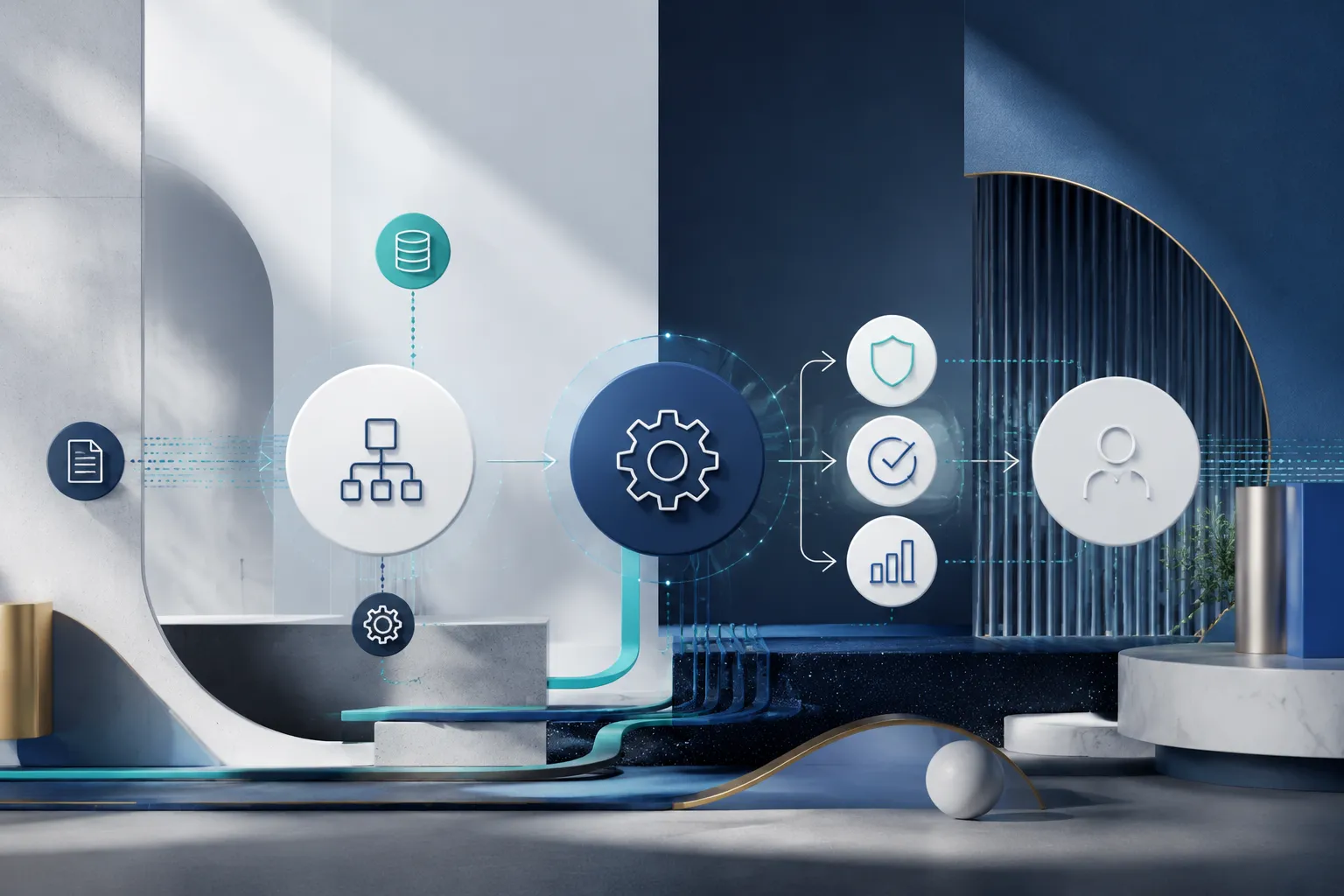
Your lead generation strategy is broken if you’re getting inquiries but not converting them, or if you’re spending increasing amounts on marketing while revenue stays flat. The key indicators are conversion rates below 8%, slow response times, and no systematic follow-up process.
Clear signs of a broken strategy:
Conversion rates consistently below industry standards (8-15% for most small businesses)
Leads frequently seem surprised by your pricing or services
Most prospects disappear after initial contact despite showing interest
You can’t track where your best customers come from
Marketing costs keep rising while revenue stays the same
You’re constantly chasing new lead sources instead of optimizing current ones
Diagnostic questions to ask:
How quickly do you respond to new inquiries? (Should be under 5 minutes)
What happens to leads who don’t buy immediately? (Should enter nurturing sequence)
Can you track conversion rates by lead source? (Essential for optimization)
Do you follow up consistently for 6-12 months? (Most sales happen over time)
Is your value proposition clear to prospects? (Test with current customers)
Revenue vs. lead volume analysis:
If lead volume is increasing but revenue isn’t, your conversion system is broken
If you need constantly more leads to maintain growth, your quality is declining
If customer acquisition costs keep rising, your targeting or messaging needs work
The fix requires systematic changes:
Implement automated response systems for immediate lead contact
Build nurturing sequences that stay in touch with unconverted prospects
Create clear messaging that communicates value proposition quickly
Track conversion metrics to identify exactly where the process breaks
Focus on lead quality improvements before volume increases
When to get help:
If you’ve tried multiple marketing approaches without consistent results, the problem is usually systematic rather than tactical. Our complete done-for-you system eliminates guesswork by providing proven processes that work automatically.
Most small businesses don’t need better marketing; they need better systems to convert the marketing they already have.
Lead Generation Tools and Software for Small Business
Small businesses need integrated platforms that handle lead capture, follow-up, and conversion tracking in one system rather than juggling multiple disconnected tools. The best approach is a complete solution that works automatically without requiring technical expertise.
Essential features for small business lead generation:
Website integration that captures leads automatically with forms, pop-ups, and landing pages
Immediate response systems that contact leads within minutes of inquiry
Automated follow-up sequences that nurture prospects over 6-12 months
Lead scoring and qualification to prioritize your best opportunities
Conversion tracking to measure what’s working and what isn’t
Integration with phone, email, and text messaging for multi-channel follow-up
Problems with using multiple tools:
Leads fall through cracks between different systems
Manual data entry creates errors and delays
No unified view of prospect interactions and history
Higher total costs when paying for multiple subscriptions
Technical complexity requires ongoing maintenance and troubleshooting
What to look for in an all-in-one platform:
Built-in website creation with lead capture optimization
Automated workflows that handle follow-up without manual effort
CRM functionality that tracks all prospect interactions
Email and text messaging capabilities for consistent communication
Analytics that show conversion rates and ROI by lead source
Support team that builds and implements the system for you
The implementation challenge:
Most small business owners lack time and technical skills to set up complex marketing systems properly. Tools only work when they’re configured correctly and used consistently.
Our approach eliminates these problems. We build the complete system for you: website, lead capture, automated follow-up, and conversion tracking. Everything works together from day one without requiring technical knowledge or ongoing maintenance.
The goal is predictable lead generation that runs automatically in the background while you focus on serving customers and growing your business.
Should Small Businesses Hire a Lead Generation Agency or Do It In-House
Most small businesses should use a done-for-you system that combines the expertise of an agency with the control and cost-effectiveness of in-house marketing. Traditional agencies are often too expensive and disconnected from daily operations, while pure in-house approaches lack specialized knowledge.
Problems with traditional lead generation agencies:
Monthly costs of $3,000-$10,000+ make them unaffordable for most small businesses
Limited control over messaging and customer experience
Results depend on account manager quality and attention
Contracts and setup fees create additional financial risk
Disconnect between agency tactics and business operations
Problems with pure in-house approaches:
Lack of specialized marketing and technical expertise
Time constraints prevent consistent execution
No systematic processes for lead capture and follow-up
Difficulty staying current with best practices and technology
Results depend entirely on internal team capabilities
The hybrid solution works better:
Done-for-you systems provide agency-level expertise at in-house costs
Complete control over messaging, pricing, and customer experience
Systems built specifically for your business rather than generic templates
Ongoing support without ongoing agency fees
Technology that works automatically without requiring internal expertise
When agencies make sense:
Large businesses with $50,000+ monthly marketing budgets
Companies that need complex, multi-channel campaigns
Businesses with dedicated internal marketing teams to manage agencies
Organizations with long sales cycles requiring sophisticated nurturing
When in-house makes sense:
Businesses with existing marketing expertise and technical capabilities
Companies with simple, relationship-based sales processes
Organizations where the owner is the primary salesperson
Businesses with very specific niche requirements
Our approach combines the best of both: We build complete lead generation systems for small businesses- website, automated follow-up, conversion tracking, then hand over a system that works automatically. You get agency-level results with in-house control and costs.
This eliminates the ongoing expense and dependency of traditional agencies while providing better results than most businesses can achieve internally.
How Long Does It Take to See Results From Lead Generation Efforts
Properly implemented lead generation systems typically show initial results within 30-60 days, with full optimization achieved in 90-120 days. However, results depend more on system quality and implementation than time alone.
Timeline for different approaches:
Automated systems (30-60 days): Complete done-for-you systems with proper lead capture and follow-up show results quickly because they immediately improve conversion of existing traffic and inquiries.
Content marketing (90-180 days): Blog posts, videos, and social media content need time to build authority and search rankings before generating consistent leads.
Paid advertising (30-90 days): Can generate immediate traffic, but requires testing and optimization to achieve profitable conversion rates.
SEO and organic search (6-12 months): Longest timeline but most sustainable results once rankings are established.
Referral systems (60-120 days): Time needed to implement processes and train existing customers to make referrals consistently.
Factors that accelerate results:
Starting with conversion optimization before adding new lead sources
Using proven systems rather than experimenting with untested approaches
Implementing automated follow-up that works 24/7 without manual effort
Focusing on lead quality over quantity from the beginning
Having proper tracking to identify what’s working quickly
Factors that delay results:
Trying multiple approaches simultaneously instead of focusing on one
Poor follow-up systems that waste generated leads
Inconsistent execution due to time constraints or competing priorities
Focusing on vanity metrics (website traffic) instead of conversion metrics (sales)
Realistic expectations:
Month 1: System implementation and initial optimization
Month 2: First measurable improvements in conversion rates
Month 3: Consistent lead flow and predictable conversion patterns
Months 4-6: Scaling successful approaches and refining targeting
Our clients typically see results faster because we implement complete systems that improve conversion immediately. Rather than waiting for new traffic, we optimize existing opportunities first, then add lead generation on top of working conversion systems.
The key is starting with systems that work automatically rather than approaches that require ongoing manual effort.

