
How to Fix Marketing That Delivers Inconsistent Results

Why Does My Marketing Work Some Months and Not Others?
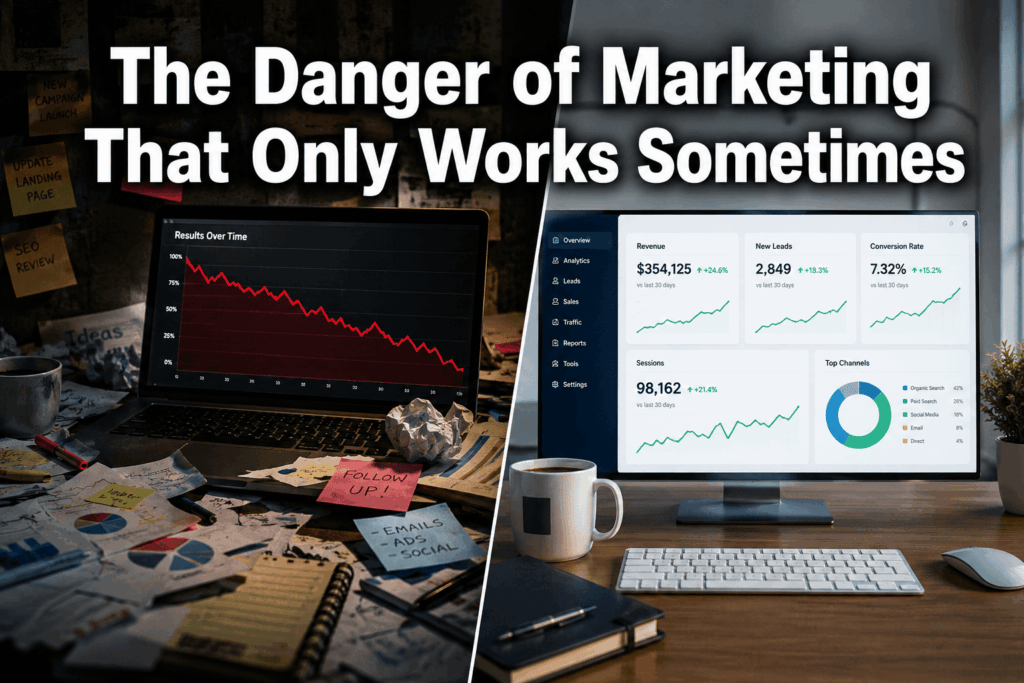
Your marketing efforts are inconsistent because you’re likely running individual campaigns rather than a systematic process. Most small businesses treat marketing like throwing darts at a board; sometimes you hit the bullseye, but most attempts miss the mark entirely.
The primary reason for this inconsistency is dependency on manual effort and timing. When your marketing success relies on you personally writing emails, posting on social media, or following up with leads, your results fluctuate with your availability and energy levels. Busy months mean marketing gets pushed aside, leading to dry spells in lead generation.
Seasonal factors also play a role, but they shouldn’t cause dramatic swings if your system is solid. B2B service businesses often blame “slow seasons” for poor results, but companies with systematic approaches maintain steady lead flow year-round by adjusting their messaging and channels rather than stopping their efforts entirely.
Another major factor is campaign-based thinking. You launch a campaign, see some results, then move on to the next shiny tactic without building on what worked. This creates a constant restart cycle where you never build momentum or compound your efforts.
The most successful businesses we work with have learned that consistency beats intensity. They focus on building systems that run automatically rather than relying on periodic bursts of activity.
What Causes Inconsistent Lead Generation Results?
Inconsistent lead generation results typically stem from three core problems: scattered tools, manual processes, and a lack of systematic follow-up. When your marketing tools don’t talk to each other, leads fall through the cracks, and opportunities get missed.
Tool fragmentation is the biggest culprit. You might use one platform for email marketing, another for social media, a third for your website, and spreadsheets to track everything. Each tool requires separate logins, different processes, and manual data transfer. When you get busy running your business, these disconnected systems break down.
Manual follow-up processes create another major inconsistency point. If lead nurturing depends on you remembering to send emails or make calls, some prospects get excellent service while others get ignored completely. This randomness in your follow-up process directly translates to unpredictable results.
Lack of systematic content creation also contributes to inconsistent results. You might write great content when inspired, then go weeks without posting anything valuable. Your audience loses engagement, and your lead flow drops accordingly.
Poor lead qualification means you’re not sure which prospects are worth pursuing. Without clear criteria for what makes a good lead, you waste time on poor prospects while missing qualified opportunities. This inefficiency makes your entire lead generation process feel unreliable.
The solution involves creating integrated systems where lead capture, nurturing, and follow-up happen automatically. When prospects enter your system, they should receive consistent value and attention regardless of how busy you are with other business activities.
How to Make Marketing Results More Predictable
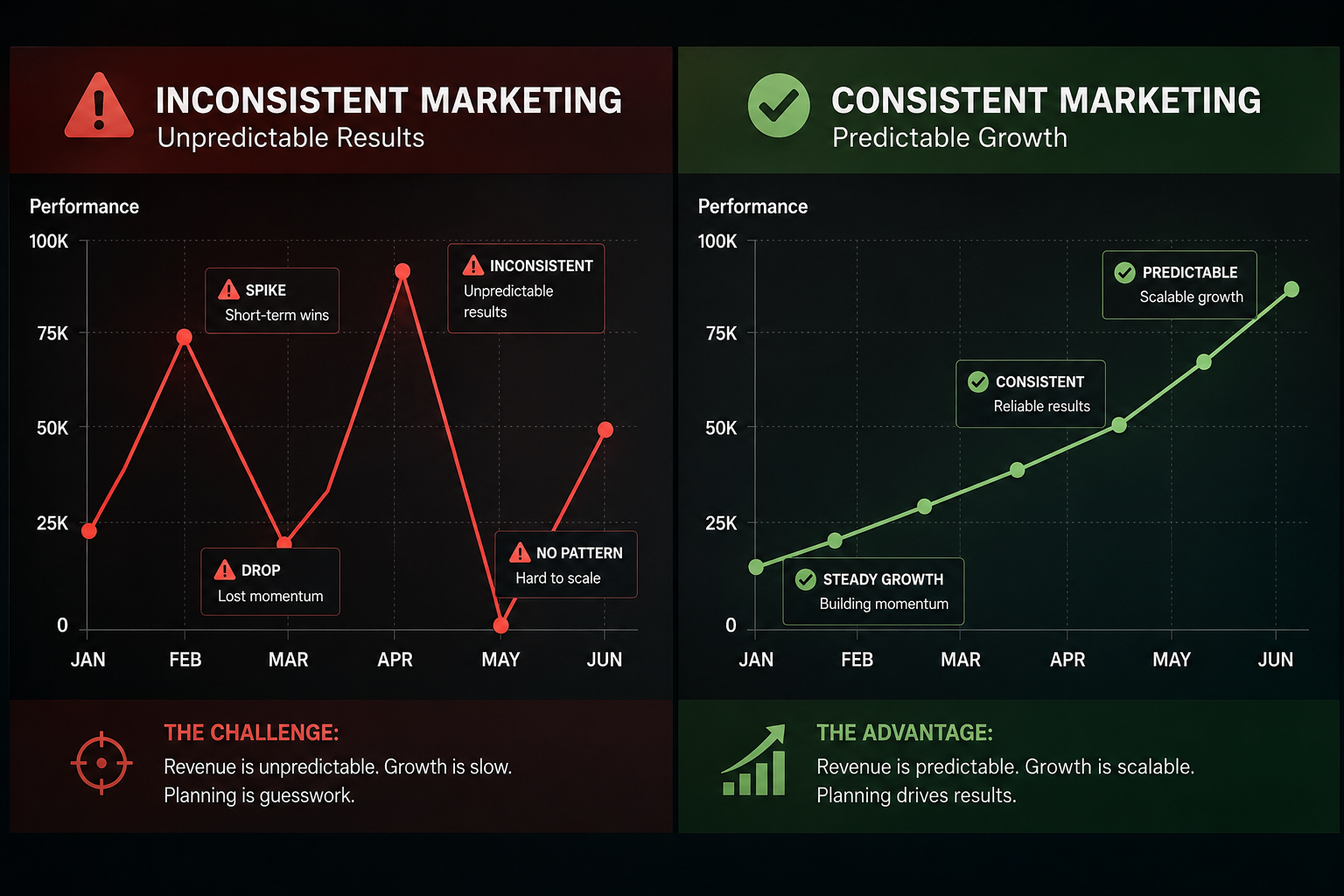
Making marketing results predictable requires shifting from campaign-based tactics to systematic processes that run consistently over time. The key is building integrated systems that capture, nurture, and convert leads automatically without requiring constant manual intervention.
Start with systematic lead capture across all your marketing channels. Instead of hoping people will find your contact form, create multiple touchpoints where prospects can engage with your business. This includes optimized landing pages, valuable content offers, and clear calls to action on every piece of content you create.
Implement automated follow-up sequences that nurture leads consistently. When someone expresses interest in your services, they should automatically receive a series of valuable emails that build trust and demonstrate your expertise. This ensures every prospect gets the same high-quality experience regardless of when they enter your system.
Create content systematically rather than sporadically. Develop a content calendar that addresses your prospects’ common questions and concerns. When you publish valuable content consistently, your audience stays engaged, and new prospects discover your business regularly.
Use integrated platforms that connect all your marketing activities. When your website, email marketing, social media, and lead tracking work together seamlessly, you can see which activities generate results and double down on what works.
Track leading indicators instead of just final results. Monitor metrics like website traffic, email open rates, and content engagement to predict future lead generation. This helps you spot problems early and make adjustments before they impact your results.
We build these systematic approaches for our clients because we’ve seen how dramatically they improve predictability. Instead of wondering where next month’s leads will come from, you’ll have confidence in your marketing system’s ability to generate consistent opportunities.
Common Reasons Marketing Campaigns Fail Unexpectedly
Marketing campaigns fail unexpectedly when businesses focus on tactics without understanding the systematic requirements for sustained success. The most common failure point is launching campaigns without proper follow-up systems in place to handle the leads generated.
Audience mismatch causes many campaign failures. You might create compelling content or ads, but if they’re reaching the wrong people, results will be disappointing. This often happens when businesses assume they know their audience without validating their assumptions through systematic testing.
Timing disconnects between campaign launch and business capacity create another failure pattern. You generate leads through a successful campaign, but then can’t follow up promptly because you’re overwhelmed with existing work. Those leads go cold, making the campaign appear unsuccessful when the real problem was execution.
Message-market fit problems occur when your campaign content doesn’t address your prospects’ actual concerns. You might think you’re solving their biggest problem, but if your messaging doesn’t resonate with their real pain points, engagement will be low regardless of how well you execute the campaign.
Technical failures in tracking and attribution make campaigns appear unsuccessful when they’re actually working. If you can’t properly measure which activities generate leads, you might discontinue effective campaigns while continuing ineffective ones.
Lack of systematic testing means you’re making major decisions based on limited data. Successful campaigns require ongoing optimization based on real performance metrics, not assumptions about what should work.
The solution involves building complete systems rather than individual campaigns. This means having lead capture, follow-up, nurturing, and conversion processes working together before you start driving traffic or generating awareness.
Is My Marketing Strategy Broken or Is This Normal?
If your marketing results vary dramatically from month to month, your strategy needs systematic improvement rather than complete replacement. Some variation is normal, but wild swings indicate fundamental problems with your approach or execution.
Normal variation for B2B service businesses typically ranges from 10-30% month-over-month in lead generation, depending on seasonal factors and market conditions. If you’re seeing 50% or greater swings regularly, your marketing lacks the systematic foundation needed for predictable results.
Broken strategy indicators include complete dry spells where no leads come in for weeks, followed by sudden bursts of activity that overwhelm your capacity. This feast-or-famine pattern suggests you’re relying on sporadic tactics rather than consistent processes.
Execution problems often masquerade as strategy failures. You might have the right approach but lack the systematic implementation needed to make it work consistently. This includes inadequate follow-up processes, disconnected tools, or manual systems that break down when you get busy.
Market feedback provides important clues about whether your strategy is fundamentally sound. If prospects engage with your content and respond positively to your outreach, but conversion rates are inconsistent, the problem is likely systematic rather than strategic.
Competitive analysis can help determine if your inconsistency is market-wide or specific to your business. If competitors in your space are generating steady results while yours fluctuate wildly, the issue is internal rather than external.
The good news is that most marketing inconsistencies stem from execution problems rather than fundamental strategy flaws. Building systematic processes around your existing approach often produces dramatically better results than starting over with a completely new strategy.
How to Diagnose Why Leads Dried Up Suddenly
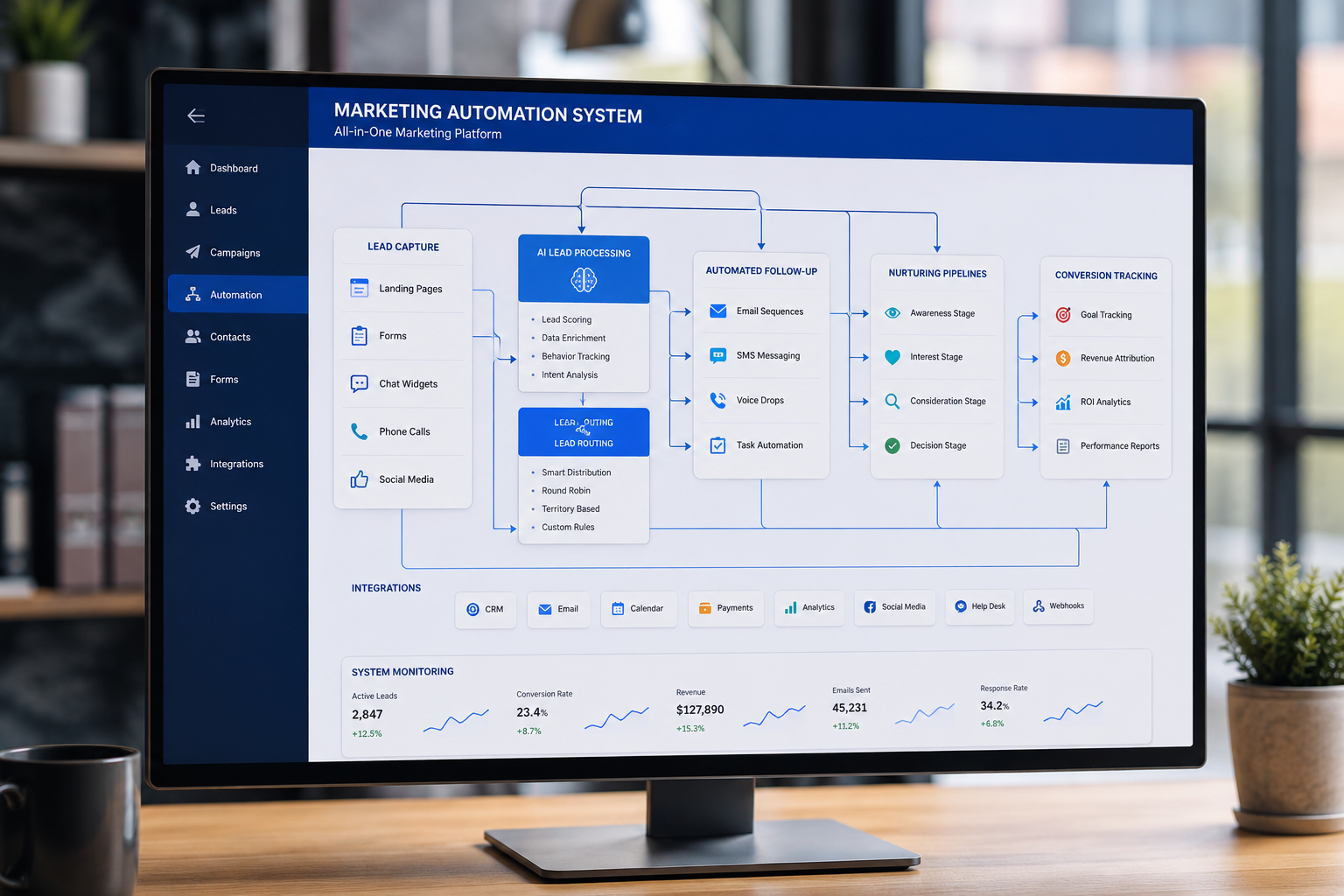
When leads suddenly dry up, systematic diagnosis helps identify the root cause quickly so you can restore consistent flow. The key is checking each stage of your lead generation process methodically rather than panicking and changing everything at once.
Start with traffic analysis to determine if fewer people are reaching your website and content. Check your website analytics, social media engagement, and email open rates to see if the problem is at the top of your funnel. Sudden traffic drops often indicate technical issues or changes in search rankings.
Review your lead capture mechanisms to ensure they’re still functioning properly. Test your contact forms, landing pages, and call-to-action buttons to verify they’re working correctly. Technical glitches can stop lead generation completely while everything appears normal on the surface.
Examine your content performance to see if engagement has dropped across your marketing channels. Lower engagement often precedes lead generation problems by several weeks. This gives you early warning that adjustments are needed before leads disappear entirely.
Check external factors that might impact your market’s behavior. Industry changes, seasonal patterns, or economic conditions can affect lead generation timing. However, systematic approaches typically weather these changes better than sporadic marketing efforts.
Analyze your follow-up processes to ensure leads aren’t being generated but lost due to poor nurturing. Sometimes the problem isn’t lead generation but lead management. If prospects are entering your system but not converting, the issue is in your follow-up rather than your lead capture.
Review recent changes to your marketing systems, website, or processes. Often, lead generation problems trace back to seemingly minor changes that had unexpected consequences. Systematic documentation helps identify these connections quickly.
When you build systematic processes with proper tracking, diagnosing problems becomes much easier because you have clear data about each stage of your lead generation process.
What’s the Difference Between Consistent vs Sporadic Marketing Results?
Consistent marketing results come from systematic processes that generate predictable outcomes, while sporadic results indicate dependency on manual effort, timing, or external factors beyond your control. The difference lies in whether your marketing operates as a reliable system or a collection of random activities.
Consistent marketing generates leads steadily over time with manageable variation. You can predict roughly how many prospects will enter your system each month and plan your business operations accordingly. This predictability allows for confident growth planning and resource allocation.
Sporadic marketing creates feast-or-famine cycles where you’re either overwhelmed with leads or desperately searching for prospects. These dramatic swings make business planning nearly impossible and create constant stress about where future revenue will come from.
Systematic differences between the two approaches include automated lead capture, consistent content creation, integrated follow-up processes, and reliable tracking systems. Consistent marketing relies on processes that work without constant manual intervention.
Resource allocation differs dramatically between the approaches. Consistent marketing allows you to invest steadily in what works and compound your results over time. Sporadic marketing forces you to constantly restart your efforts, wasting resources on repeated setup and lost momentum.
Team impact varies significantly as well. Consistent marketing creates predictable workloads that allow your team to develop expertise and efficiency. Sporadic marketing creates chaos where everyone scrambles during busy periods and worries during slow times.
Long-term outcomes favor consistent approaches overwhelmingly. Businesses with systematic marketing build momentum, develop stronger market presence, and achieve sustainable growth. Those relying on sporadic efforts struggle to scale beyond the owner’s personal capacity.
The transition from sporadic to consistent marketing requires building systematic processes, but the investment pays dividends through reduced stress and improved predictability.
How Much Should Marketing Results Vary Month to Month?
Marketing results for B2B service businesses should typically vary by no more than 20-30% month-over-month when using systematic approaches. Larger variations indicate problems with your marketing system that need systematic correction rather than acceptance as normal business fluctuation.
Healthy variation ranges depend on your business model and market factors. Service businesses with longer sales cycles might see 15-25% monthly variation, while those with shorter cycles should achieve 10-20% consistency. The key is trending upward over time despite short-term fluctuations.
Seasonal factors can justify larger variations during specific periods, but systematic marketing minimizes these impacts. For example, B2B services might see 30-40% drops during holiday periods, but systematic nurturing keeps prospects engaged for post-holiday conversion.
Market maturity affects acceptable variation levels. Newer businesses might experience 40-50% swings as they establish their market presence, but this should stabilize within 6-12 months of implementing systematic processes.
Industry considerations play a role in expected variation. Highly regulated industries or those dependent on external factors might see larger swings, but systematic approaches still provide more stability than sporadic marketing efforts.
Warning signs include complete dry spells, sudden unexplained surges, or consistent month-over-month declines. These patterns indicate systematic problems that require process improvements rather than hoping for better luck.
Improvement targets should focus on reducing variation over time while maintaining or increasing average performance. The goal is to build systems reliable enough to support confident business planning and sustainable growth.
When we implement systematic marketing processes for clients, variation typically decreases by 40-60% within the first six months, while average performance improves substantially.
Can You Fix Inconsistent Marketing Without Starting Over?
You can fix inconsistent marketing by systematizing your existing efforts rather than scrapping everything and starting fresh. Most businesses already have marketing activities that work; sometimes the key is building reliable processes around those successful elements.
Audit your current activities to identify which marketing efforts produce the best results when they work properly. Focus on systematizing these proven approaches rather than abandoning them for completely new tactics. This builds on your existing momentum while improving reliability.
Implement systematic processes around your successful activities. If email marketing works well when you do it consistently, create automated sequences and content calendars that ensure regular execution. If networking generates good leads, develop systematic follow-up processes for new connections.
Connect disconnected tools to create integrated workflows. You don’t need to replace all your existing tools immediately. Start by connecting them so data flows smoothly and nothing falls through the cracks. This often provides dramatic improvements with minimal disruption.
Automate manual processes that currently depend on your personal attention. Identify the steps you perform manually when marketing works well, then build systems that handle these tasks automatically. This ensures consistent execution regardless of how busy you get with other business activities.
Gradual implementation works better than dramatic overhauls. Start with one systematic improvement, get it working reliably, then add the next component. This approach maintains your current lead generation while building better long-term systems.
Measure systematically to track improvements in consistency and overall performance. When you can see which changes improve reliability, you’ll make better decisions about where to focus your systematic improvement efforts.
We typically help clients improve marketing consistency by 50-70% within 90 days by systematizing their existing successful activities rather than replacing them entirely.
What Metrics Show If Your Marketing Is Unreliable?
Several key metrics reveal marketing unreliability before it impacts your bottom line, allowing you to make systematic corrections early. The most telling indicators focus on variation patterns rather than absolute numbers, showing whether your marketing operates systematically or sporadically.
The lead generation coefficient of variation measures the standard deviation of your monthly leads divided by your average monthly leads. A coefficient above 0.5 indicates problematic inconsistency that requires systematic intervention. Reliable marketing systems typically maintain coefficients below 0.3.
Conversion rate stability across different time periods reveals whether your follow-up processes work systematically. If conversion rates vary dramatically month-to-month, your lead nurturing lacks consistent processes. Systematic approaches maintain conversion rates within 10-20% of average performance.
Pipeline velocity consistency shows whether leads move through your sales process predictably. Unreliable marketing creates feast-or-famine patterns where pipeline velocity varies wildly based on lead quality and timing rather than systematic processes.
Source attribution reliability indicates whether you can predict which marketing activities will generate results. If you can’t identify which efforts produce leads consistently, your marketing lacks the systematic tracking needed for reliable planning.
Follow-up completion rates reveal whether your lead management operates systematically. Unreliable marketing often shows high variation in how quickly and thoroughly leads receive follow-up attention, directly impacting conversion rates.
Content engagement consistency across your marketing channels provides early warning of reliability problems. Systematic content creation and distribution maintain steady engagement levels, while sporadic approaches show dramatic swings in audience interaction.
Cost per lead stability helps identify whether your marketing efficiency remains consistent over time. Reliable systems maintain relatively stable acquisition costs, while unreliable approaches show wild variations based on timing and execution quality.
Tracking these metrics systematically allows you to spot reliability problems early and make corrections before they impact your lead generation results.

How to Stabilize Lead Generation When It’s All Over the Place
Stabilizing erratic lead generation requires implementing systematic processes that operate consistently regardless of external factors or your personal availability. The key is building integrated systems that capture, nurture, and convert leads automatically while providing clear visibility into what’s working.
Start with lead capture systematization across all your marketing touchpoints. Create multiple ways for prospects to engage with your business, from content downloads to consultation requests. When lead capture operates systematically, you maintain a steady prospect flow even when individual channels fluctuate.
Implement automated nurturing sequences that provide consistent value to prospects over time. Instead of relying on manual follow-up that varies based on your availability, create systematic email sequences that build relationships and demonstrate expertise automatically.
Establish content creation systems that maintain regular communication with your audience. Develop content calendars and systematic production processes that ensure consistent, valuable content regardless of how busy you get with client work.
Integrate your marketing tools so data flows smoothly between systems without manual intervention. When your website, email marketing, social media, and lead tracking work together systematically, fewer leads fall through the cracks, and you maintain better visibility into what’s working.
Create systematic follow-up processes for different types of leads and inquiries. Develop clear procedures for how quickly leads get contacted, what information they receive, and how they’re nurtured through your sales process.
Build feedback loops that help you identify and correct problems quickly. Systematic tracking and regular review of your lead generation metrics allow you to spot issues early and make corrections before they impact results significantly.
We help clients stabilize lead generation by building complete done-for-you systems that include automated lead capture, systematic nurturing, and integrated tracking. This approach typically reduces lead generation variation by 50-70% within 90 days while improving overall performance.
Is Inconsistent Marketing Better Than No Marketing?
Inconsistent marketing is better than no marketing in the short term, but it creates long-term problems that systematic approaches solve more effectively. While sporadic marketing efforts generate some results, they prevent businesses from building the momentum and market presence needed for sustainable growth.
Short-term benefits of inconsistent marketing include occasional lead generation, some market visibility, and learning opportunities from various tactics. These sporadic efforts often produce enough results to keep businesses hopeful while masking the underlying systemic problems.
Long-term costs of inconsistent marketing include lost momentum, confused market positioning, wasted resources on repeated setup efforts, and missed opportunities during inactive periods. The feast-or-famine cycle creates stress and makes business planning nearly impossible.
Opportunity costs represent the biggest hidden expense of inconsistent marketing. While you’re struggling with sporadic results, competitors with systematic approaches build market share, develop stronger relationships, and achieve predictable growth that compounds over time.
Resource efficiency strongly favors systematic approaches over inconsistent efforts. Sporadic marketing requires constantly restarting campaigns, rebuilding momentum, and re-engaging audiences who lose interest during inactive periods. Systematic marketing builds on previous efforts and compounds results over time.
Market perception suffers when your marketing appears and disappears unpredictably. Prospects lose confidence in businesses that seem unreliable or unstable. Systematic marketing builds trust through consistent value delivery and professional presence.
Transition strategy involves gradually systematizing your existing marketing efforts rather than choosing between inconsistent marketing and no marketing. Build automated systems around your successful activities while maintaining current lead generation efforts.
The goal should be moving from inconsistent marketing to systematic marketing rather than accepting inconsistency as inevitable. We help businesses make this transition by building reliable systems that generate predictable results without requiring constant manual intervention.
What Marketing Mistakes Cause Unpredictable Results?
The most common marketing mistakes that cause unpredictable results stem from treating marketing as a collection of separate activities rather than as building integrated systems that work together systematically. These mistakes compound each other, creating increasingly unreliable outcomes over time.
Campaign-based thinking leads businesses to launch individual marketing efforts without connecting them to systematic lead nurturing and conversion processes. You might generate interest through a campaign, but without systematic follow-up, most leads go cold before converting.
Tool fragmentation creates gaps where leads and opportunities fall through cracks. Using separate platforms for email marketing, social media, website management, and lead tracking makes systematic execution nearly impossible and creates multiple failure points.
Manual dependency makes marketing results fluctuate based on your personal availability and energy levels. When lead follow-up, content creation, and prospect nurturing depend on manual effort, busy periods cause marketing to suffer and lead generation to decline.
Inconsistent messaging across different marketing channels confuses prospects and weakens your market positioning. Without systematic brand guidelines and coordinated content strategy, your marketing efforts work against each other rather than reinforcing your value proposition.
Poor lead qualification wastes resources on prospects who aren’t good fits while missing qualified opportunities. Without systematic criteria for identifying and prioritizing leads, your conversion rates vary wildly based on lead quality rather than process effectiveness.
Lack of systematic testing means making decisions based on assumptions rather than data. Without systematic measurement and optimization, you continue ineffective activities while discontinuing successful ones based on incomplete information.
Timing disconnects between marketing activities and business capacity create missed opportunities. Generating leads without systematic processes to handle them promptly results in poor conversion rates that make successful marketing appear unsuccessful.
Avoiding these mistakes requires building systematic processes that integrate all your marketing activities and operate consistently regardless of external factors or personal availability.
How Long Does It Take to Get Consistent Marketing Performance?
Achieving consistent marketing performance typically takes 3-6 months when implementing systematic processes, though businesses often see improvement in predictability within the first 30-60 days. The timeline depends on your current foundation, business model, and how systematically you implement integrated processes.
Initial improvements in marketing consistency usually appear within 4-6 weeks of implementing systematic lead capture and automated follow-up processes. You’ll notice fewer leads falling through cracks and more predictable response rates from prospects.
Significant consistency gains typically develop within 90 days of building integrated systems that connect your marketing activities. This includes systematic content creation, automated nurturing sequences, and coordinated follow-up processes that operate regardless of your personal availability.
Full systematic maturation usually requires 4-6 months to achieve optimal consistency and performance. This timeline allows for systematic testing, optimization, and refinement of your processes based on real performance data rather than assumptions.
Factors affecting the timeline include your current marketing foundation, team capacity, business complexity, and how systematically you implement changes. Businesses with existing marketing activities often achieve consistency faster by systematizing what already works rather than starting completely fresh.
Industry considerations can extend timelines for businesses with longer sales cycles or complex decision-making processes. B2B service companies with 6-12-month sales cycles might need 6-9 months to see full consistency benefits, while those with shorter cycles see results more quickly.
Implementation approach significantly impacts timeline. Systematic implementation of integrated processes produces faster, more reliable results than trying to fix everything simultaneously. We recommend focusing on one systematic improvement at a time until it operates reliably.
Measurement milestones help track progress toward consistency. Month one should show improved lead capture, month two should demonstrate better follow-up completion, and month three should reveal more predictable conversion patterns.
When we build complete done-for-you systems for clients, they typically see a 40-60% improvement in marketing consistency within 90 days, with continued improvement as the systems mature and optimize over time.
Frequently Asked Questions
Q: How do I know if my marketing inconsistency is normal business fluctuation or a systematic problem?
A: Normal fluctuation for B2B services ranges from 10-30% month-over-month variation. If you’re seeing 50% or greater swings regularly, or experiencing complete dry spells followed by overwhelming lead surges, you have systematic problems that need process improvements rather than better luck.
Q: Can I fix inconsistent marketing while maintaining current lead generation?
A: Yes, you can systematize existing successful activities without disrupting current lead flow. Start by automating your most reliable marketing activities, then gradually connect disconnected tools and processes. This approach improves consistency while maintaining momentum.
Q: What’s the biggest mistake businesses make when trying to fix inconsistent marketing?
A: The biggest mistake is changing everything at once instead of systematically improving existing successful activities. Most businesses already have marketing efforts that work sometimes—the key is building reliable processes around those proven approaches rather than starting over completely.
Q: How much should I expect to invest in making my marketing more consistent?
A: Investment depends on your current foundation and systematic requirements. Many consistency improvements come from better processes and integration rather than expensive new tools. Focus on systematizing what works before adding new components to your marketing stack.
Q: Is it better to focus on one marketing channel consistently or use multiple channels sporadically?
A: One channel with systematic execution always outperforms multiple channels with sporadic attention. Build systematic processes around your most effective channel first, then systematically add additional channels once the first operates reliably without constant manual intervention.
Q: How quickly should I expect to see improvement in marketing consistency?
A: Most businesses see initial consistency improvements within 30-60 days of implementing systematic processes, with significant gains within 90 days. Full optimization typically requires 4-6 months, but early improvements in predictability appear much sooner.
Q: What metrics should I track to measure marketing consistency improvement?
A: Track lead generation variation (coefficient of variation), conversion rate stability, pipeline velocity consistency, and follow-up completion rates. These metrics reveal systematic improvements before they show up in final revenue numbers.
Q: Can small businesses achieve the same marketing consistency as larger companies?
A: Small businesses often achieve better marketing consistency than larger companies because they can implement systematic processes more quickly and with less organizational complexity. The key is building integrated systems rather than trying to match larger companies’ resource levels.
Q: What’s the difference between systematic marketing and automated marketing?
A: Systematic marketing includes both automated processes and systematic manual activities that operate consistently. Automation handles routine tasks like email sequences and lead capture, while systematic processes ensure manual activities like content creation and relationship building happen reliably.
Q: Should I hire a marketing agency or build internal systems for consistency?
A: The best approach depends on your business needs and capacity. Agencies can provide systematic expertise, but you need internal processes to maintain consistency long-term. Look for partners who build systems for your business rather than just managing campaigns externally.
Q: How do I maintain marketing consistency during busy periods?
A: Build automated systems that operate without constant manual intervention. This includes automated lead capture, systematic nurturing sequences, scheduled content distribution, and clear processes for handling leads during high-activity periods.
Q: What’s the most important element for achieving marketing consistency?
A: Integrated systems that connect all your marketing activities are most important for consistency. When your website, email marketing, lead tracking, and follow-up processes work together seamlessly, you eliminate the gaps where leads and opportunities typically fall through the cracks.
Conclusion
The danger of marketing that only works “sometimes” extends far beyond missed opportunities; it creates a cycle of unpredictable business growth that makes planning impossible and success unsustainable. When your lead generation fluctuates wildly from month to month, you’re not building a business; you’re gambling with your future.
The solution isn’t accepting inconsistency as normal or hoping your next campaign will finally be the one that works reliably. Instead, you need to build systematic processes that generate predictable results regardless of external factors or your personal availability.
We’ve seen hundreds of small businesses transform from feast-or-famine marketing cycles to predictable growth systems. The businesses that succeed make the shift from campaign-based thinking to systematic processes that work together seamlessly.
At SalesHubHQ, we build these complete done-for-you systems because we understand the frustration of marketing that works “sometimes.” Our clients get a free smart website built for them, AI-powered lead capture systems, and automated follow-up processes that work from day one—no tech knowledge required.
Your business deserves better than hoping your marketing will work this month. You need systems that capture and nurture leads automatically, creating the predictable growth foundation that lets you focus on running your business instead of constantly worrying about where next month’s leads will come from.
The time to build reliable marketing systems is now, before another month of inconsistent results costs you more opportunities and creates more stress. Your competitors with systematic approaches are building market share while you’re struggling with unpredictable results.
Ready to replace inconsistent marketing with systematic growth? Let’s build a complete marketing system that actually works for your business.

